
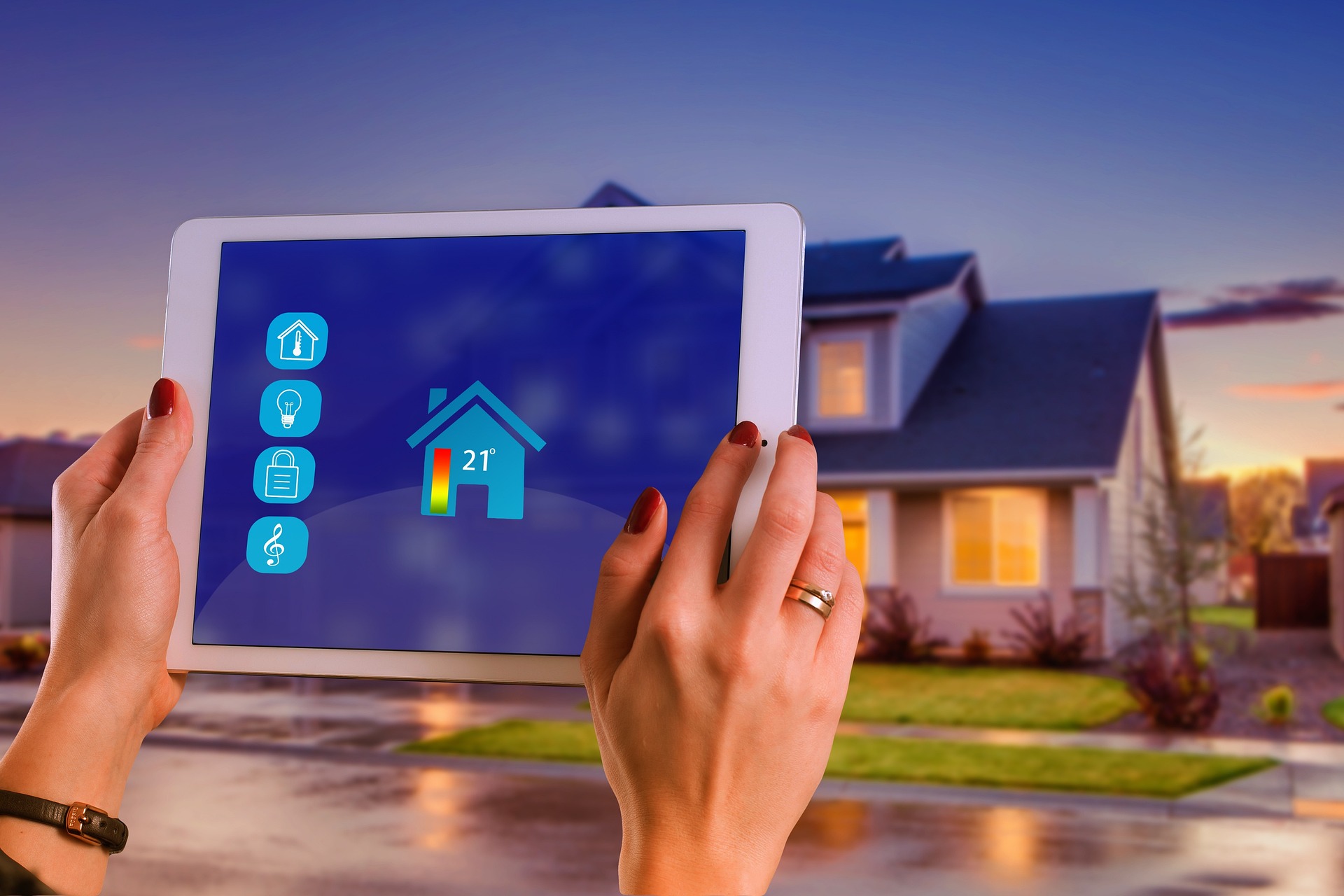
Energy efficiency doesn’t always require smart devices or high-tech systems. Sometimes the most effective changes are surprisingly low-key. Small upgrades can cut bills, reduce waste, and make daily living more comfortable without turning your home into a gadget showroom.
Better Insulation, Better Comfort
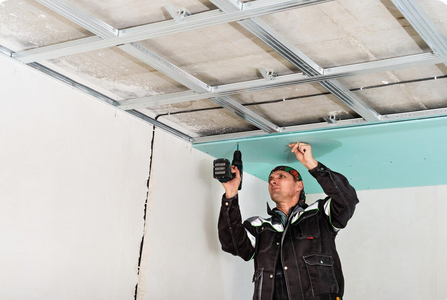 Insulation is a low-key upgrade that can make a big difference in energy efficiency without relying on high-tech gadgets. It helps lock in warmth during cold months and holds onto cool air when temperatures rise. According to the U.S. Department of Energy, effective insulation has the potential to cut heating and cooling expenses by as much as 20 percent. Upgrading attic or wall insulation may not be glamorous, but it’s reliable. It helps your HVAC system work less, which extends its life. You’ll notice comfort improvements immediately—no more drafty corners or icy floors.
Energy Efficient Lighting
Switching to LED lighting is another simple win. LEDs consume up to 90 percent less electricity than old incandescent bulbs, yet they last far longer. That means fewer replacements and less waste. Plus, the upfront cost has dropped so much that it’s an easy decision for most households. The shift isn’t only practical but also aesthetic. LEDs now come in warm tones and dimmable versions, so your space doesn’t feel sterile. One upgrade can change both the vibe of your home and your utility bill. They’ve turned into a design choice just as much as an energy one.
Smarter Window Choices
Windows play a bigger role in energy loss than most people realize. Double-pane or low-emissivity glass can dramatically reduce heat transfer. Even adding thermal curtains can help keep temperatures steady. These upgrades save energy while making interiors feel calmer and quieter. Outside noise drops, drafts disappear, and rooms maintain a consistent temperature. It’s a straightforward way to make a home feel more efficient and cozy at once.
Appliances That Pull Their Weight
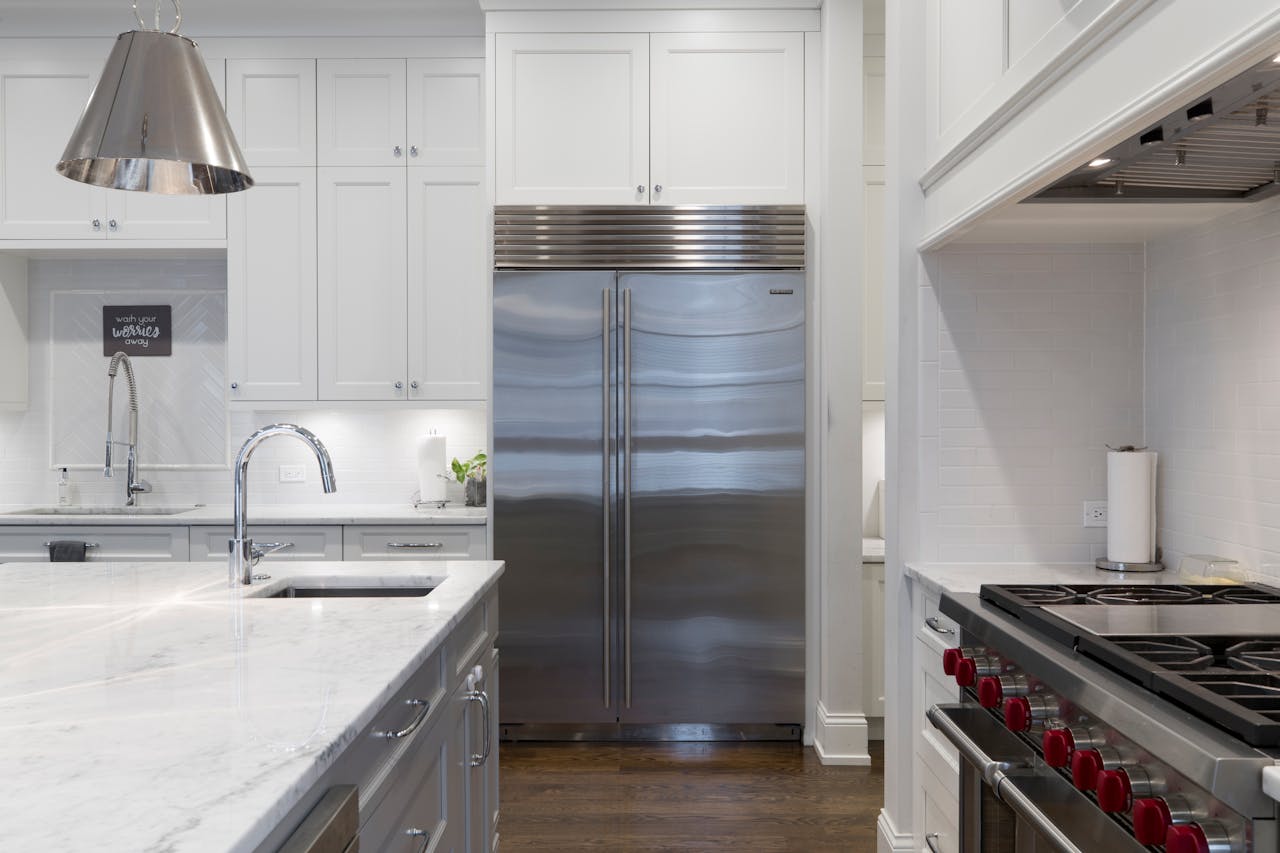
Old appliances can be sneaky energy hogs. A fridge or washer that’s a decade old often uses double the power of today’s models. Upgrading to energy-efficient appliances lowers consumption without changing how you live. This shift is about smarter use of resources rather than adding extra gadgets. A reliable washer that uses less water or a fridge that stays cool without overworking makes life easier. The savings show up month after month, making the investment worthwhile.
Water Heating Hacks
Water heating can account for nearly 20 percent of a household’s energy use. Lowering your water heater’s temperature to 120°F reduces energy waste while keeping showers comfortable. Adding an insulating blanket to the tank helps retain heat longer. For smaller steps, low-flow showerheads cut both water and heating costs. They’ve come a long way since the weak trickles of the past—today’s versions maintain strong pressure while using less. A couple of swaps can make daily routines greener without any sacrifice.
Creating an energy-smart home doesn’t require drowning in apps or gadgets. Insulation, efficient lighting, improved windows, updated appliances, and water heating tweaks all work quietly in the background. These upgrades are practical, cost-effective, and long-lasting—proof that simplicity often delivers the biggest impact.
…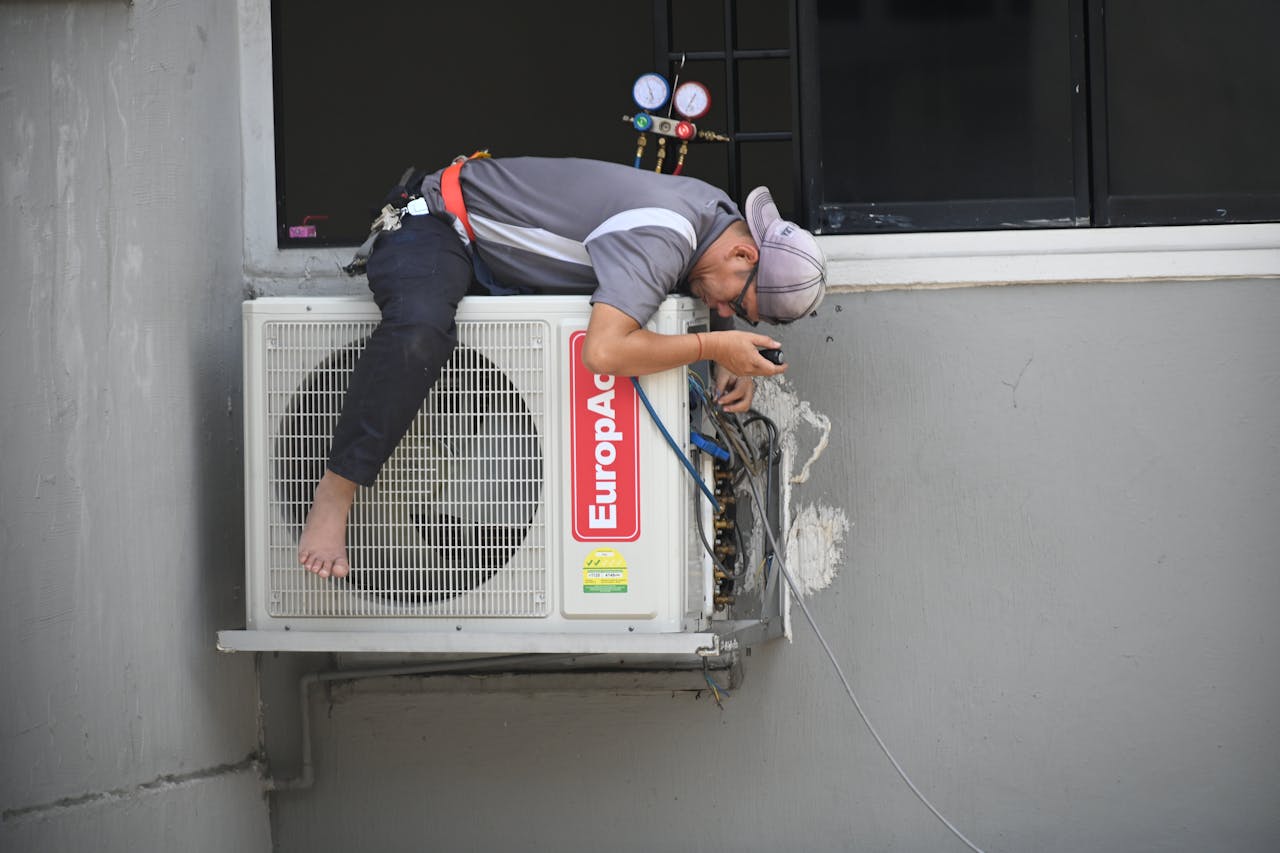
 One of the most important factors in energy efficiency is ensuring that your air conditioning system is the right size for your home. If your unit is too large, it will cycle on and off too frequently, wasting energy. If it’s too small, it will struggle to cool your space, causing it to run continuously and consume more power than necessary. Air conditioning experts are trained to assess the size of your home, the insulation, the number of windows, and other factors to determine the optimal size for your AC system.
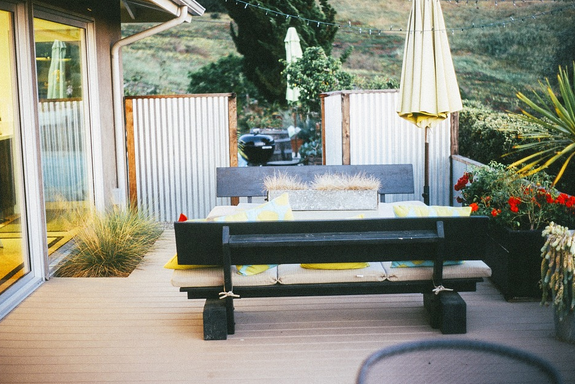
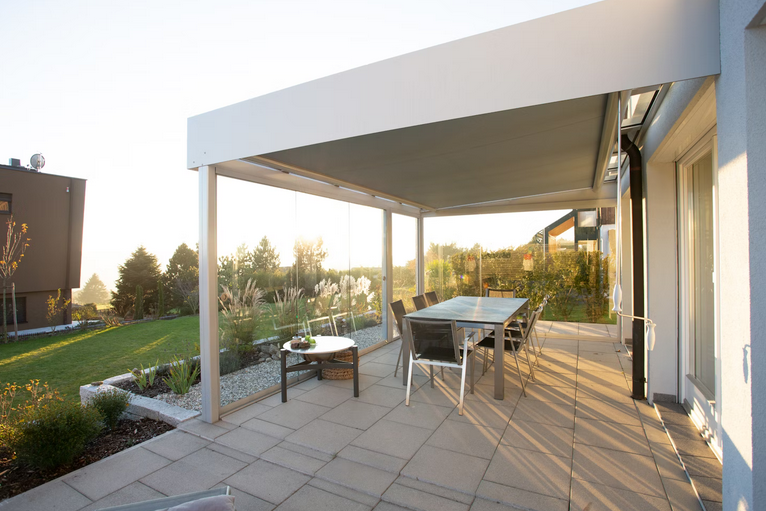

 When creating a luxury home on a budget, one of the key factors to consider is prioritizing design. Design is crucial in transforming any space into an elegant and visually appealing environment. But how do you prioritize design without breaking the bank? Focus on the overall aesthetic you want to achieve. Are you drawn to sleek minimalism or prefer a more traditional look? Having a clear vision, you can make informed decisions when selecting furniture, decor, and color schemes.


 When it comes to finding the right location for your dream home, identifying potential neighborhoods can be a crucial step in the process. But how do you go about doing this? Consider your lifestyle and what kind of neighborhood would suit you best. Are you looking for a quiet suburban area or something more urban with nightlife and amenities nearby? Would you prefer to be near parks and green spaces, or is access to public transportation more important? Once you know what you’re looking for, start researching potential areas online. Look at crime statistics, school ratings, property values, and other factors affecting your quality of life.
 When searching for the perfect location for your dream home, it’s important to consider the cost of living in different areas. This includes not only the upfront expenses like purchasing a property but also ongoing costs such as utilities, groceries, and transportation. One way to determine the cost of living is by researching average housing prices in each area you’re considering. Remember that this may vary depending on the property’s size, age, and location. It’s also important to factor in additional expenses like taxes and insurance rates, which can differ from neighborhood to neighborhood. Don’t forget about daily expenses, such as gas prices and grocery store locations.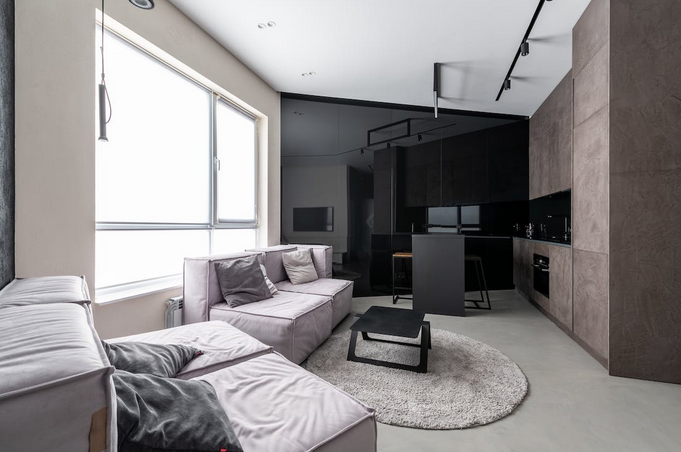



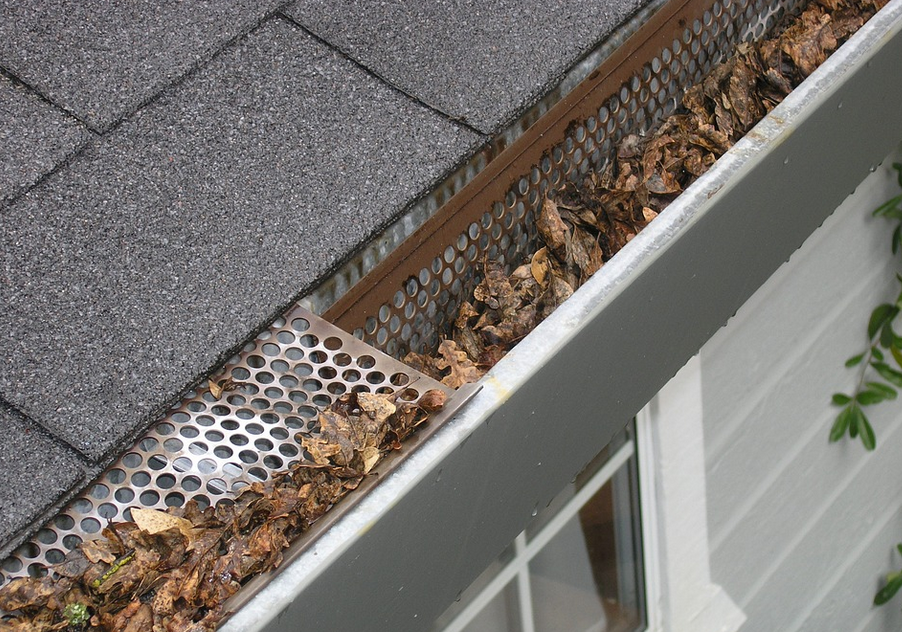
 One of the most important benefits of gutter cleaning is that it prevents water damage to your home. When gutters are clogged with leaves and debris, they can no longer appropriately drain water away from your home. This can lead to water seeping into your foundation or even flooding your basement. By having your gutters cleaned regularly, you can avoid these costly repairs.